

The Growing Challenge of Health Misinformation
I recently attended a panel discussion held by Media Trust on the topic of health misinformation and the changing landscape of trust in healthcare information.
The conversation covered everything from AI-generated health content to social media influencers, digital misinformation, and the growing challenges charities face in helping people access accurate information.
A lot of the discussion focused on the scale and speed of misinformation online -fake cancer cures, vaccine myths, misleading AI summaries, and the way inaccurate information can spread faster than trusted advice. Speakers also talked about how trust in institutions has changed. Increasingly, people may trust relatable influencers, peer experiences, or online communities over healthcare professionals or large organisations.
One thing that struck me was the brief discussion around accessibility – something that sits at the heart of The Advocacy Project’s work. Any additional communication needs someone may have can easily be compounded by the already complex and often confusing landscape of health information and misinformation. Although there wasn’t much opportunity to explore this in depth during the panel, it feels central to the conversation. For many people, misinformation is not simply about believing something false online. Sometimes it begins much earlier – when official information is difficult to access, understand, or trust in the first place.
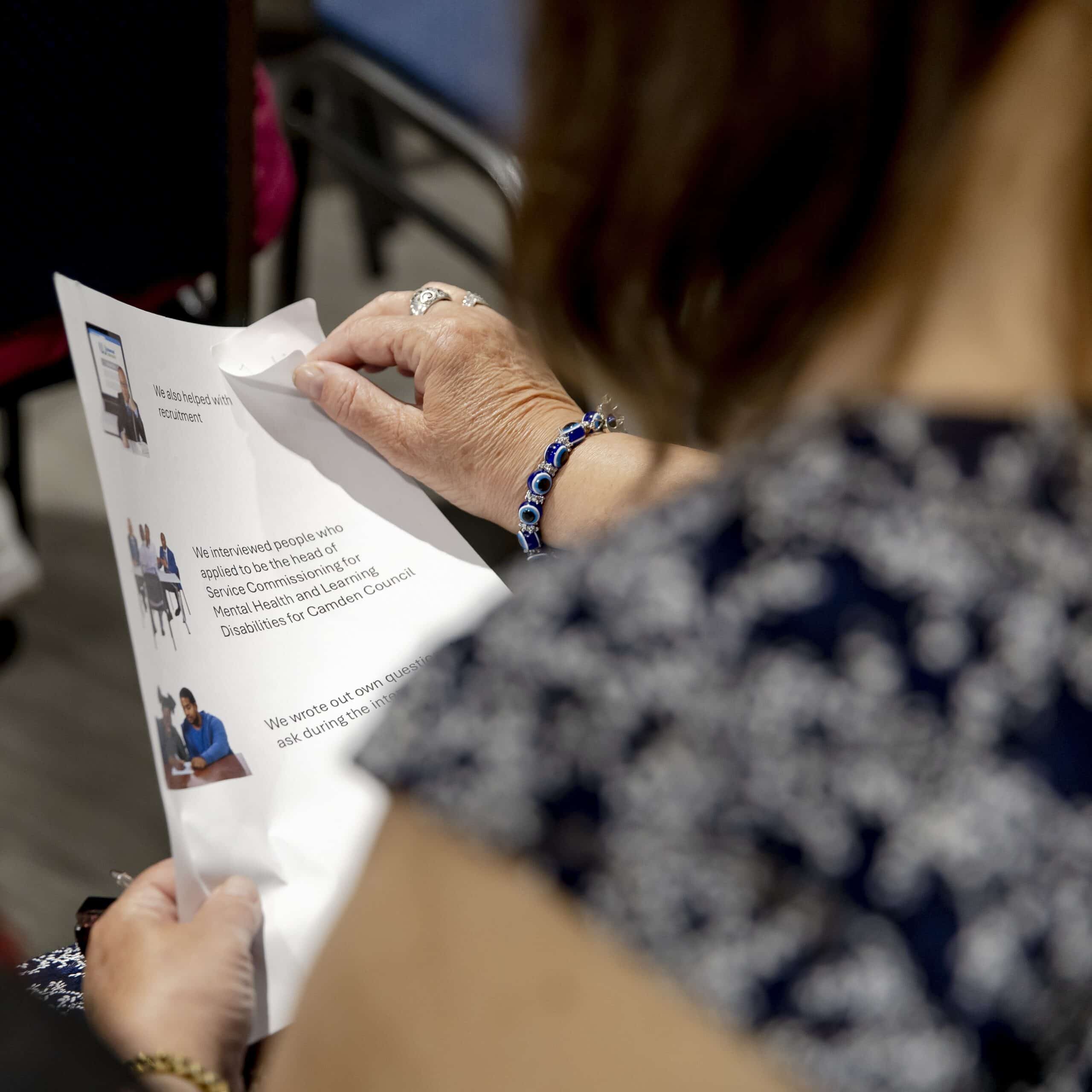
It was good to have information with pictures on the test kit. It was easy to follow.
Participant, ‘Cancer, Screen, Detect’ project
When Healthcare Communication Creates Confusion
Working at The Advocacy Project, we regularly support people with learning disabilities to navigate healthcare systems that can already feel overwhelming. Reflecting on the panel afterwards, I asked colleagues what communication barriers they see most often in practice.
Some clear themes emerged.
Health misinformation around medication, vaccines, and mental health appears frequently, particularly misunderstandings around diagnoses, long-term effects, or prescribed treatments. But often the bigger issue is confusion caused by healthcare communication itself.
Appointments, referrals, letters, written communication, medical jargon, and navigating medication information were all highlighted as major barriers. These are everyday parts of healthcare systems that many people are expected to manage independently, despite not always being designed in accessible ways.
Trust, Lived Experience, and the Rise of Influencers
One colleague also reflected on how past negative experiences with healthcare services can shape trust. In some cases, people may place more confidence in influencers, peer stories, or lived experience shared online than in NHS guidance or professional advice – especially if they have previously felt unheard, dismissed, or excluded.
That doesn’t necessarily come from a rejection of expertise. Often, it comes from a search for information that feels understandable, human, and relatable.
The panel discussed how we may be moving away from an “age of authority” towards an “age of authenticity”, where people increasingly trust those who feel accessible and genuine. For charities and healthcare organisations, that creates an important challenge: being factually accurate is no longer enough on its own. Information also needs to be clear, inclusive, accessible, and grounded in people’s real experiences.
Loved listening to all the sensible and caring talking, you should all be very proud of what you do. Keep the fight going and making your voices as loud as possible.
Service Manager for Hammersmith, Westminster, Kensington and Chelsea Learning Disabilities Teams (Health)
The Impact of AI, Information Overload, and Digital Exclusion
Another issue raised by colleagues was information overload. People are now navigating NHS websites, apps, social media, online forums, AI tools such as ChatGPT, and endless streams of conflicting advice, all while trying to make decisions about their health. For some, AI tools may begin replacing conversations with healthcare professionals altogether. Combined with digital exclusion, language barriers, and unequal access to support, this creates a significant risk that some people will be left behind.
The more healthcare becomes digital-first, the more important accessible communication becomes.
Accessible Information Is Not an “Extra”
Easy Read information, plain English, supported conversations, printed materials, advocacy, and community-based guidance are not “extras”. They are essential tools for helping people understand their health, make informed decisions, and feel confident navigating services.
Closing Information Gaps Before Misinformation Fills Them
One of the strongest messages I took away from the panel was that misinformation grows where information gaps already exist. If people cannot find accessible, trustworthy answers to their questions, those gaps will be filled elsewhere.
That is why charities, advocacy organisations, and community groups have such an important role to play – not only in correcting misinformation, but in making sure people are included in the first place.
What Needs to Change?
I’d be really interested to hear from others working in health, advocacy, accessibility, or community support:
- What communication barriers are you seeing most often?
- Has trust in healthcare information changed in recent years?
- Are digital systems making access easier, harder, or both?
- What does genuinely accessible health information look like in practice?
The conversation around misinformation is growing rapidly. Accessibility needs to be part of it too.
Email: comms@advocacyproject.org.uk – we would love to hear your thoughts and work together to create a more inclusive and accessible online space for health information.