

Building trust through listening, learning and lived experience
As National Inclusion Week, comes to a close, I’ve been reflecting on what inclusion means to us at The Advocacy Project and, perhaps more importantly, what it needs to mean in practice.
This year’s theme from Inclusive Employers is Build Trust. Navigate Change. It feels particularly relevant to us.
Trust is fundamental to advocacy. People need to know that they will be listened to, that their experiences will be taken seriously and that they can speak openly about what matters to them. Without trust, it is much harder to have a meaningful voice or to influence change.
The same is true inside an organisation.
Inclusion starts with listening
For more than 25 years, The Advocacy Project has worked alongside people who are too often excluded from decisions about their own lives. We have learned that listening is not simply about hearing what someone says. It is about being curious, taking people’s experiences seriously and being prepared to act differently as a result.
That lesson applies to our own workplace too.
We want our staff to feel able to tell us about their experiences – including experiences of inequality, exclusion or barriers – and to know that doing so can make a difference.
That isn’t always easy. Creating genuinely safe spaces means being willing to hear things that may challenge us. It means accepting that our intentions are not always the same as the impact of our actions. And it means resisting the temptation to become defensive when we are told that something needs to change.
For me, that is an important part of building trust.
Learning from lived experience
Lived experience has always been central to our approach. We know that people who use services are experts in their own lives, and that their experiences can tell us things that no policy, process or professional perspective can tell us on its own.
We want to apply that same principle to our staff.
Our people bring a huge range of experiences, identities, perspectives and expertise to The Advocacy Project. When we create the conditions for people to share those experiences safely, we have an opportunity to learn – and to make our organisation better.
This year, we are focusing on listening, learning and lived experience as part of our EDI journey.
These aren’t three separate activities. They are connected.
- We listen to understand.
- We learn from what we hear.
- And we use lived experience to help us make meaningful change.
Navigating change together
We are not claiming to have all the answers. Inclusion is not a destination that an organisation can arrive at and then tick off.
There will be things we get right, things we need to improve and things we haven’t yet thought about. The important thing is what we do with that learning.
As we navigate change, we want to create a culture where people can ask questions, challenge assumptions and have difficult conversations respectfully. We want our staff to know where they can go to share an experience or concern, and we want leaders to be accountable for listening and responding.
We have already made positive changes following staff feedback, including the introduction of a transparent pay policy, reduced paperwork for appraisals, wider training opportunities and a new website.
Our values matter
Our values – being kind, honest, strong and believing in people – give us a useful foundation for this work.
These values are particularly important when conversations about equality and inclusion become challenging. We don’t need to agree on everything. But we do need to create an environment where people can disagree respectfully, learn from each other and feel that their voice matters.
The ripple effect
There is a reason I believe our internal EDI work matters so much. The culture we create for our staff doesn’t stay inside our organisation.
If our people feel heard, respected and included, they are better placed to create those experiences for the people we support. If we are willing to listen to lived experience within our own organisation, we are more likely to listen well to lived experience in our advocacy and user involvement work.
Inclusion can therefore ripple outwards – from our staff, through our services and partnerships, and into the communities we work alongside.
That is the commitment we are making.
National Inclusion Week is an opportunity to pause and reflect, but our EDI journey is not limited to one week. It is part of the ongoing work of becoming the organisation we want to be.
So, as we look ahead, my pledge is simple: we will keep listening, keep learning and keep making space for lived experience.
And where what we hear tells us that something needs to change, we will do our best to make that change meaningful.
Click here to read more about our EDI journey and our pledge for the future.
Building trust is not just about listening. It is about acting on what we hear and turning it into tangible change.
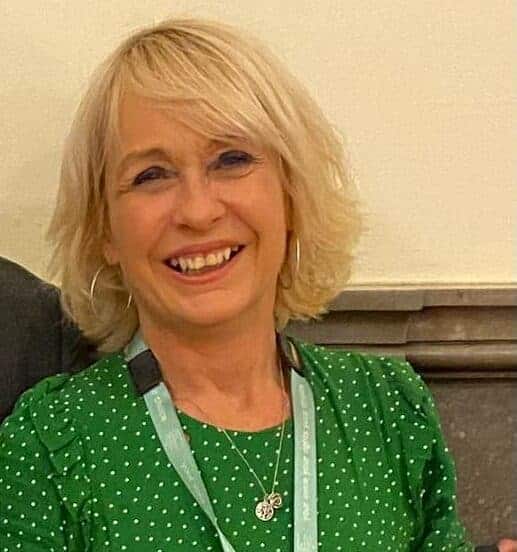
Katherine Shaw, CEO, The Advocacy Project